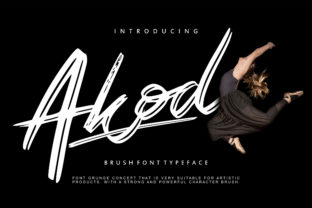
Akod: A Distinctive Calligraphy Font for Standout Design
If you've ever scrolled past dozens of wedding invites, social media posts, or product labels and thought, “I wish mine looked this memorable,” Akod might be exactly what you’ve been missing. It’s not just another script font — it’s a calligraphy-style typeface designed with intention, rhythm, and personality. Each letter flows like hand-drawn ink, yet maintains crisp digital clarity. That balance makes Akod especially useful when you want elegance without sacrificing readability — or uniqueness without veering into illegibility.
What Makes Akod Different From Other Script Fonts?
Most script fonts fall into one of two camps: ultra-formal (think traditional copperplate) or overly playful (bouncy, cartoonish, or exaggerated). Akod sits comfortably in the middle — refined but approachable, expressive but grounded. Its lowercase letters feature subtle entry and exit strokes, gentle swashes on select characters like y, j, and f, and consistent spacing that keeps lines breathing naturally. Uppercase letters carry presence without shouting — ideal for logos, headlines, or monogrammed stationery.
Unlike many free script fonts that rely on heavy ligatures or unpredictable alternates, Akod offers clean, predictable behavior across platforms. Whether you’re typing a short quote in Canva, designing a Shopify banner, or laying out a PDF brochure in Adobe InDesign, Akod renders smoothly and stays true to its character.
Where Akod Fits Into Real Creative Work
People choose Akod not because it’s trendy, but because it solves real design challenges:
- Small business owners use it for boutique packaging — imagine handmade soap labels or ceramic mugs where warmth and craftsmanship matter more than corporate polish.
- Educators and course creators apply it to workshop titles or printable worksheets to soften academic tone and invite engagement.
- Bloggers and content creators layer Akod over Instagram story backgrounds or YouTube thumbnails to add visual distinction without distracting from the message.
- Freelance designers pair it with clean sans-serifs like Inter or Lato for contrast — using Akod for headings and the neutral font for body text creates hierarchy that feels both modern and human.
It also works beautifully in physical spaces: laser-cut signage for cafés, engraved coasters for events, or even embroidered patches for apparel brands. Because Akod’s strokes are neither too thin nor too dense, it scales well — from tiny favicon-sized icons to large-format wall decals.
Practical Tips for Getting Started With Akod
You don’t need advanced typography knowledge to use Akod well. Here’s what helps most beginners succeed:
- Start simple. Try Akod for just one line — a tagline, name, or short quote — rather than entire paragraphs. Script fonts shine brightest when given space to breathe.
- Watch your contrast. Pairing Akod with a highly decorative font (like another script or display face) often creates visual noise. Instead, lean into contrast through weight, size, or structure — e.g., bold Akod headline + light-weight sans-serif subhead.
- Test legibility early. Preview how Akod looks on mobile screens, printed at small sizes, or against busy backgrounds. If letters start blending together or feel hard to parse quickly, scale up slightly or reduce letter spacing.
- Respect its voice. Akod conveys sincerity, care, and intention. It may feel mismatched with loud tech startups or aggressive sales copy — but it’s perfect for wellness brands, artisan studios, wedding planners, or mindful learning platforms.
Things to Keep in Mind Before You Use Akod
Akod is versatile — but not universal. Like any strong personality, it works best when matched thoughtfully to context and audience. For example:
- It’s not ideal for long-form body text. While beautiful in short bursts, extended reading in Akod can fatigue the eye — stick to headings, quotes, or accent text.
- Some characters — like the lowercase g or q — include subtle stylistic details that may require checking if you're typesetting multilingual content or technical terms with unusual abbreviations.
- Licensing matters. If you plan to use Akod in client work, merchandise, or apps, confirm whether your license covers commercial redistribution — many versions allow personal and standard commercial use, but extended licenses may be needed for templates or SaaS platforms.
Also, remember that fonts alone don’t make great design — they support it. Akod won’t fix weak layout, poor color choices, or unclear messaging. But when used with purpose, it becomes a quiet ambassador for your brand’s tone: thoughtful, distinctive, and confidently human.
Why Designers Keep Coming Back to Akod
Over time, many creators notice something unexpected about Akod: it grows with them. Beginners appreciate how easy it is to drop in and get instant visual lift. Experienced designers value its reliability — no hidden quirks, no rendering surprises across browsers or devices. And because it avoids extremes, it adapts across seasons and styles: equally at home on a minimalist meditation app interface or a vibrant farmers’ market poster.
That adaptability comes from careful design decisions — balanced x-height, open counters, generous spacing — not algorithmic trends. Which means Akod doesn’t feel dated six months after download. It feels considered. Intentional. Like something made for people, not just pixels.
A Final Thought: Let Akod Speak for You
Choosing a font is rarely just about aesthetics. It’s about choosing how your ideas show up in the world. Akod doesn’t shout. It leans in. It invites attention without demanding it. Whether you're naming a new podcast, launching a skincare line, designing a graduation certificate, or simply making a birthday card feel special — Akod adds a layer of meaning before a single word is read.
No need to overthink it. Try Akod in your next small project. See how it changes the mood. Notice how people respond. You might find it’s not just a font you use — it’s one you recognize, return to, and trust.