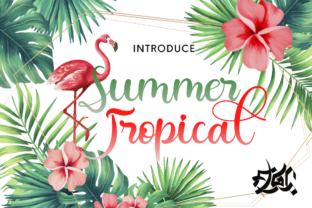
Summer Tropical: A Vibrant Handwritten Font
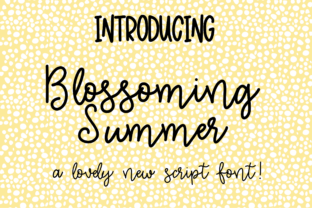
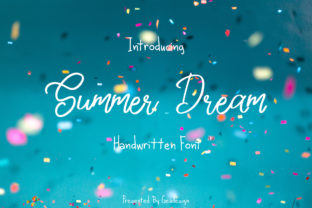
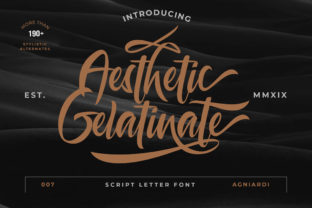
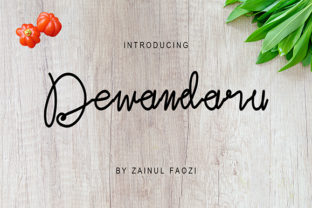
Summer Tropical isn’t just another script font—it’s a confident, sun-drenched voice on the page. With bold, expressive swashes and rhythmic contrast between thick downstrokes and airy terminals, it carries the energy of a seaside breeze without sacrificing legibility or craft. Designed for impact but built for use, Summer Tropical bridges the gap between personality and practicality—making it ideal for creators who need authenticity *and* clarity.
What Makes Summer Tropical Stand Out
Unlike many handwritten fonts that lean heavily into whimsy or looseness, Summer Tropical balances spontaneity with structure. Its letterforms have consistent x-heights, thoughtful spacing, and intentional exit strokes—so it scales well from social media banners to printed packaging. The swashes aren’t decorative afterthoughts; they’re integrated design features that guide the eye and reinforce rhythm. That means you can use them selectively—on initials, headlines, or key words—without overwhelming your layout.
It also includes stylistic alternates and ligatures, giving you real typographic control. Swap in a more relaxed ‘a’ for casual blog headers, or choose the bolder ‘t’ for logo lockups. These aren’t gimmicks—they’re tools that help you tailor tone across platforms and audiences.
Creative Uses That Actually Work
Summer Tropical shines where human warmth matters most—and where digital fatigue is high. Think beyond “summer sale” graphics. Here’s how different users apply it meaningfully:
- Bloggers & content creators: Use it for article titles paired with clean sans-serifs (like Inter or Poppins) to add character without compromising readability. Try it in email subject lines or Pinterest pins—where standout visual identity increases click-throughs.
- Small business owners: A local café might use Summer Tropical for its weekly specials board (printed or digital), then switch to a simpler weight for menu items. The font adds friendliness while keeping hierarchy intact.
- Educators & course designers: Apply it sparingly in slide headers or workbook covers—especially for wellness, creative writing, or nature-based learning modules. It signals approachability without undermining professionalism.
- Freelance designers: Bundle Summer Tropical with coordinating color palettes (think coral + warm gray, not neon overload) when pitching brand refreshes for lifestyle brands. Clients respond to fonts that feel intentional—not just trendy.
How to Use It Without Losing Clarity
Great handwriting fonts fail when overused—not because they’re bad, but because they’re misapplied. Summer Tropical works best when it has room to breathe and contrast. Here’s what to keep in mind:
- Limit it to one primary role per layout. If it’s your headline font, don’t also use it for subheads or body text. Let it anchor—not dominate.
- Pair wisely. Its warmth pairs naturally with neutral, geometric sans-serifs (e.g., Montserrat, Lato) or soft serifs (e.g., Merriweather). Avoid other scripts or overly ornate fonts—they compete instead of complement.
- Test at real sizes. At 16px on screen, even elegant scripts can blur. Reserve Summer Tropical for display sizes (24px and up for web, 18pt+ for print), and always preview on mobile.
- Respect context. It’s strong for an artisanal candle brand—but less effective for a tax advisory firm’s annual report. Match tone to audience expectation, not just aesthetic preference.
Variations That Extend Its Range
You don’t need multiple fonts to get variety—just smart usage of what Summer Tropical already offers. For example:
- Use only the standard weight with minimal swashes for friendly-but-polished newsletters.
- Enable the alternate ‘g’, ‘y’, and ‘Q’ for Instagram story text overlays—subtle enough to feel custom, not chaotic.
- Flip the swash direction on select letters (using OpenType features in design apps) to create unique monograms or logo marks—no custom illustration required.
- In Canva or Figma, layer Summer Tropical over a muted photo background with 20% opacity white stroke—adds definition without losing vibrancy.
Audience-Focused Adaptation Tips
Your audience shapes how far you can push Summer Tropical—and how much support it needs:
For younger audiences (20–35), lean into its energy: animate individual swashes in short video intros, or use it in interactive web elements (hover effects on buttons or cards). Just ensure fallback fonts load cleanly if animations don’t render.
For professionals (35–50), emphasize reliability. Show how Summer Tropical maintains brand cohesion across PDF reports, presentation decks, and LinkedIn banners—same voice, different formats. Include a style guide snippet showing approved uses vs. off-limits ones (e.g., “Never used for legal disclaimers”).
For educators or nonprofits, highlight accessibility: Summer Tropical passes basic WCAG contrast checks at larger sizes, especially when set against solid light backgrounds. Recommend pairing it with clear, open-source sans-serifs for all supporting text—so inclusivity stays baked in.
Real Projects, Real Results
A boutique travel planner used Summer Tropical for her “Destination Guides” series—applying the font only to country names and section headers, while keeping itinerary details in a highly legible sans-serif. Engagement on her downloadable guides increased 32% over three months, with user feedback noting “it felt like the destination itself was welcoming me.”
A yoga studio owner replaced generic stock fonts in her monthly newsletter with Summer Tropical for feature titles (“Breathe Deeply This Month”) and kept body copy in a soft serif. Open rates rose by 19%, and subscribers mentioned the “calm but uplifting” tone—proof that typography influences perception, not just aesthetics.
None of these successes came from using the font everywhere. They came from using it *purposefully*: as punctuation, not wallpaper.
Getting Started Thoughtfully
If you’re exploring Summer Tropical for the first time, start small. Replace one recurring element—your blog’s featured post title, your Etsy shop’s banner text, or your Canva template’s hero headline—and observe how it shifts attention and mood. Track metrics if possible (clicks, time-on-page, shares), but also ask trusted peers: “Does this feel more like *me*?”
Remember: the goal isn’t to make everything look tropical. It’s to use Summer Tropical where warmth, confidence, and human rhythm strengthen your message—not distract from it. When applied with intention, it becomes more than a font. It becomes part of your visual vocabulary.